

Adding, subtracting, multiplying, and dividing fractions—each operation has its own rule! By the end of this, you’ll know exactly what to do for each one in a practical way. Let’s get started!
Addition and Subtraction (SAME Denominators)
When the bottom part (the denominator) is the same for both fractions, it’s super simple: keep the bottom number as it is and just add or subtract the top numbers.
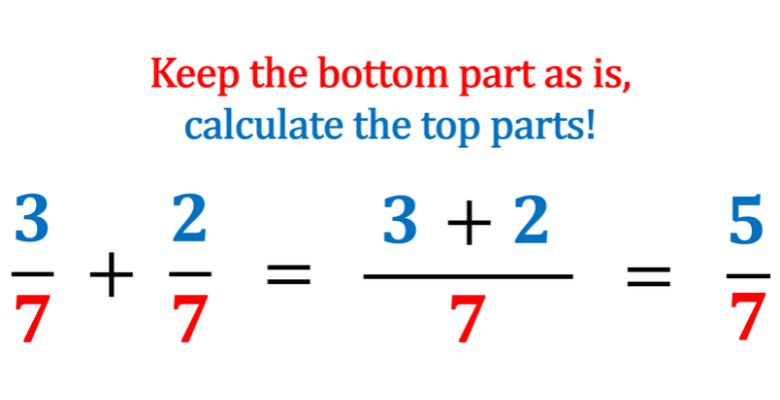
In short: Keep the bottom number, calculate the top ones!
Addition and Subtraction (DIFFERENT Denominators)
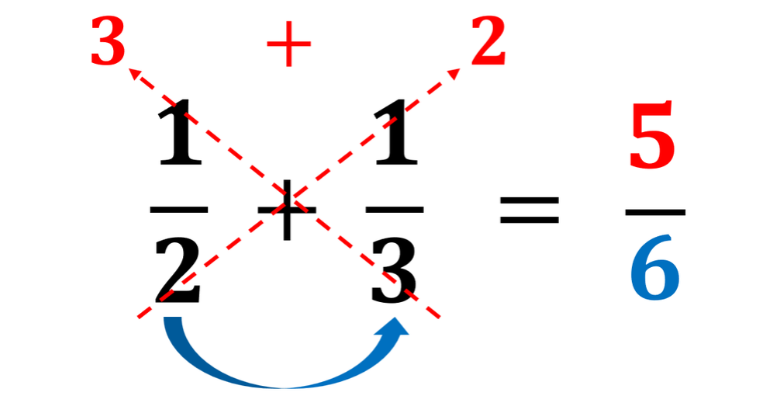
What if the bottom parts are different? Use the “Butterfly Method”! Cross-multiply: 2 times 1 equals 2; 3 times 1 equals 3. Add those two results together at the top: 3 plus 2 is 5. Now, multiply the two bottom numbers: 2 times 3 equals 6. The result is 5 over 6.
Multiplying Fractions
Multiplying fractions is straightforward: just multiply straight across! Multiply the top numbers together, and multiply the bottom numbers together.
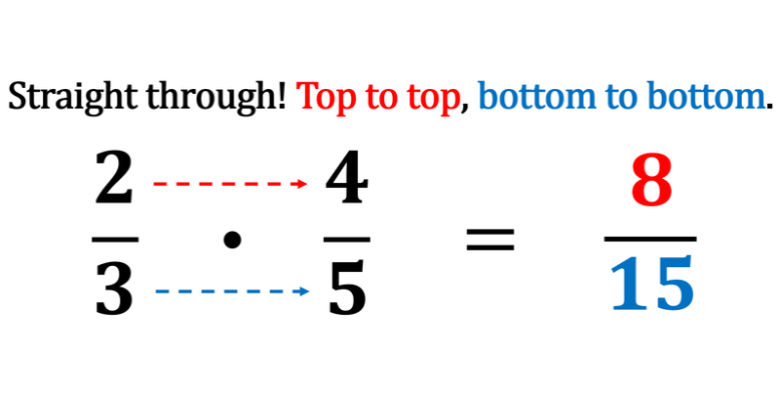
In short: Multiply straight across—top with top, bottom with bottom.
Dividing Fractions
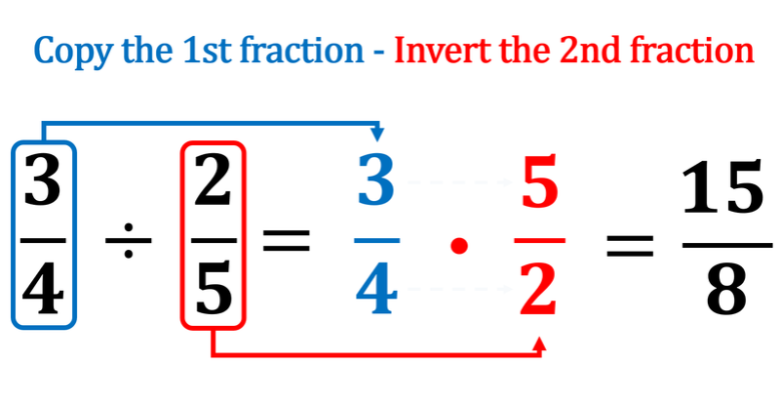
When it comes to division, you never divide directly! The rule is: keep the first fraction exactly as it is, change the sign to multiplication, and flip (invert) the second fraction. The number that was on the bottom moves to the top, and the one that was on the top moves to the bottom. Now, just multiply straight across.
Video Lesson – Operations with Fractions
Check out my video lesson explaining how to add, subtract, multiply, and divide fractions.
4,000 Math Exercises with Answer Keys + Video Lessons. CLICK HERE!
Happy studying! See you next time! Professor Silvio
Deixe um comentário